You Aren’t Broken; You Adapted!
Stories of healing, resilience, and reclaiming your life.
“Above all, be the heroine of your own life, not the victim.”
— Nora Ephron

Home: A Memoir of Family, Forgiveness and Healing from Complex PTSD
AVAILABLE IN eBOOK, PAPERBACK, HARDCOVER, AND NOW IN AUDIOBOOK!
To ensure fast, reliable delivery, my memoir is securely distributed through Amazon. Click below to grab your copy and join the journey!
Kirkus Reviews‘ verdict—the ‘gold standard’ in book reviewers—is GET IT! Read their full review HERE.
Part investigation, part love letter to survival, HOME is a courageous story of trauma and transformation, love and forgiveness, and realizing that sometimes the home you’re searching for is the one you build inside yourself.
In my research, I discovered that while my experiences had left me with long-lasting trauma, they had also resulted in talents and skills that would serve me later in life.
This, I believe, is the greatest aspiration for those who have suffered complex trauma – to find hope and meaning within the events we were unable to control. Home is a memoir of survival, belonging, and the hard-won truth that healing is possible.
“I suspected that something from my past was reaching into the present and hijacking the happy life I’d carefully built.”
After nearly losing her husband, Amy Smyth Miller’s panic spirals out of control. Therapy reveals a diagnosis: Complex PTSD. In search of healing, Amy embarks on a harrowing excavation of her past—childhood neglect, homelessness, parental addiction, and a family history shadowed by suicide. Amid the wreckage, she discovers the people and circumstances that kept her safe and helped to shape her life: her wise great-grandmother’s teachings, the watchful eyes of caring adults, and her own fierce determination. Each memory is a clue, each family story a piece of the puzzle. But the most elusive truth is buried in a forgotten childhood memory—one that holds the key to her deepest fear.
Latest Articles
-
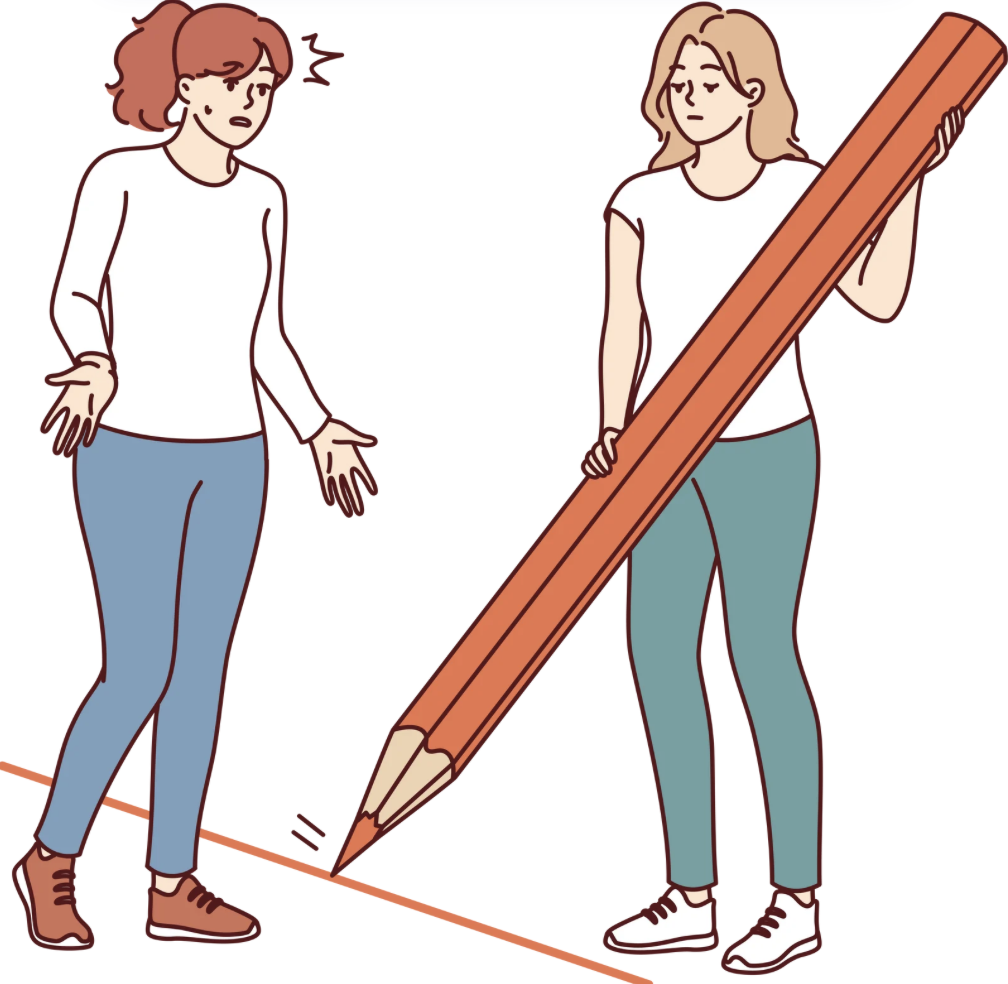
About Those Boundaries . . .
Learning to set healthy boundaries can be difficult, especially for those who have experienced trauma or toxic relationships. In this post, I explore why boundaries matter, how they shape our relationships, and why learning to honor our own needs is an important part of healing.
-

Yes My Friend, Comparison is the Thief of Joy
This post explores how childhood trauma and complex trauma can disrupt the development of a healthy sense of identity. When survival requires a child to adapt, blend in, and suppress their authentic self, trauma can become intertwined with identity, leading to chronic comparison, feelings of being broken, and grief over the life that might have…
-
Stories We Tell Ourselves
My teaching career taught me an unexpected lesson: good intentions aren’t enough—research matters. That realization changed how I taught reading and, years later, how I understand sibling estrangement, dysfunctional family systems, and developmental trauma. As I prepare to publish my memoir, I’m reflecting on what happens when we stop believing the stories we’ve been told…
Get new content delivered directly to your inbox
HOME